
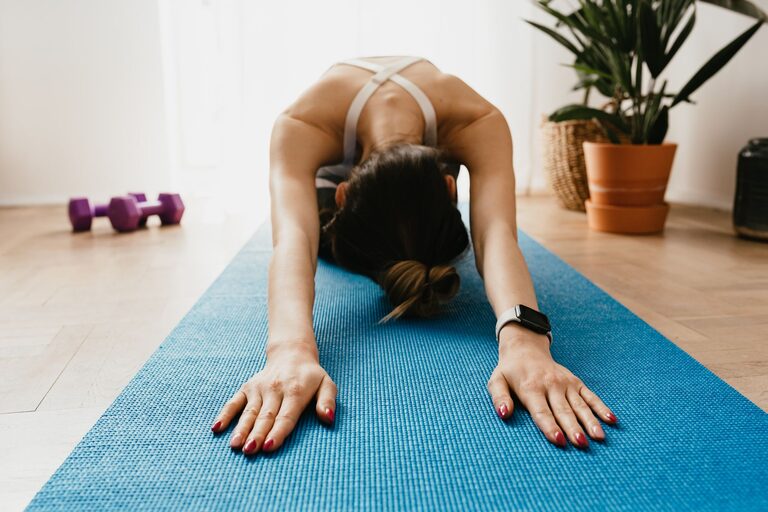
Stretching is an easy and effective way to improve your flexibility, reduce muscle tension, and promote relaxation. You don’t need fancy equipment or a gym membership to start stretching. With just a small space at home and a few minutes each day, you can build a stretching routine that benefits your body and mind. This beginner’s guide will help you understand the basics of stretching, provide simple exercises, and offer tips to get started safely.
Why Stretching Matters
Stretching helps increase your range of motion, improves circulation, and can relieve stress after a long day. It’s especially helpful if you spend many hours sitting or standing in one position. Regular stretching can:
– Reduce muscle stiffness and soreness
– Improve posture
– Decrease the risk of injury
– Enhance athletic performance
– Promote mental relaxation
By making stretching a part of your daily routine, you’ll notice improvements both physically and mentally.
Preparing to Stretch at Home
Before you begin, find a quiet and comfortable space where you can move freely. It’s best to stretch when your muscles are warm, so consider doing a light activity like walking or marching in place for 5 minutes beforehand.
Wear comfortable clothing that allows you to move easily. Keep a yoga mat or towel handy for floor stretches. Remember to breathe deeply and avoid bouncing or forcing any stretch; your comfort and safety come first.
Types of Stretching
There are two main types of stretches beginners should know:
Static Stretching
This involves holding a stretch in one position for 15 to 60 seconds. It’s the most common and safe form of stretching for beginners and is best done after your muscles are warmed up or after physical activity.
Dynamic Stretching
Dynamic stretches involve moving parts of your body through a full range of motion. These stretches are great for warming up before exercise but should be done with control and without bouncing.
For beginners starting at home, static stretching is a great way to ease into a routine.
Beginner’s Stretching Routine
Here’s a gentle full-body routine you can try at home. Hold each stretch for about 20-30 seconds and repeat 2-3 times if comfortable.
Neck Stretch
– Sit or stand tall.
– Slowly tilt your head to one side, bringing your ear toward your shoulder.
– Hold the stretch and then switch sides.
Shoulder Stretch
– Bring your right arm across your chest.
– Use your left hand to gently press your right arm closer to your chest.
– Switch arms and repeat.
Chest Stretch
– Stand in a doorway.
– Place your hands on the door frame at shoulder height.
– Step forward slightly until you feel a stretch in your chest and shoulders.
Triceps Stretch
– Raise your right arm overhead and bend your elbow, reaching your hand toward your upper back.
– Use your left hand to gently press the right elbow.
– Switch arms.
Hamstring Stretch (Seated)
– Sit on the floor with one leg extended straight.
– Reach toward your toes while keeping your back straight.
– Switch legs.
Quadriceps Stretch
– Stand near a wall or chair for balance.
– Bend your right knee, bringing your heel toward your buttocks.
– Grab your ankle with your right hand and hold.
– Switch legs.
Calf Stretch
– Stand facing a wall.
– Place your hands on the wall and step one foot back, keeping it flat on the floor.
– Lean forward slightly to stretch the calf muscle.
– Switch legs.
Lower Back Stretch
– Lie on your back with knees bent.
– Hug your knees toward your chest and hold.
Tips for Effective Stretching
– Stay consistent: Stretch daily or at least 3-4 times per week.
– Listen to your body: Stretch until you feel gentle tension, not pain.
– Breathe deeply: Inhale and exhale slowly to help your muscles relax.
– Avoid holding your breath: Keeping a steady breathing pattern aids relaxation.
– Warm up first: Stretching cold muscles can cause injury.
– Progress gradually: Increase stretch time and frequency over weeks.
When to Be Cautious
If you have any medical conditions, injuries, or concerns about starting an exercise routine, consult with a healthcare professional before you begin stretching.
Avoid stretching joints that feel painful or unstable. If a stretch causes sharp pain, stop immediately.
Final Thoughts
Starting a stretching practice at home is simple and rewarding. It takes only a few minutes to help your body feel more flexible and relaxed. By following this beginner’s guide, you can build a safe routine tailored to your needs and enjoy the benefits of stretching every day.
Remember, the key to success is consistency and listening to your body. Happy stretching!